

CNI News
January 28, 2026
Based on the results from all phases of the election, the power to decide on motions submitted by MPs in parliament (Hluttaw) after the formation of the government now rests with the military (Tatmadaw) and the USDP, Dr. Aye Maung, Chairman of the Arakan Front Party (AFP), told CNI News.
According to the results of the 2025 general election held in Myanmar, the military and the Union Solidarity and Development Party (USDP) have secured the majority of parliamentary seats, reaching a position where they can convene a functional parliament.
Dr. Aye Maung noted that the USDP is currently in a position where it can independently form a government as a single party.
"So, what kind of framework will be followed? Will a single party form the government to act as a second transition government—one that takes responsibility for the current five-year term to build the future state? If so, a single party will shape the landscape for the next five years. The question then is whether the USDP is perceived as capable of achieving national unity and national reconciliation. If that capability exists, they will proceed. However, if those in power firmly assess that inclusive participation is required for national reconciliation, the USDP and the Myanmar military are now in a position to successfully pass and decide on firm motions in the upcoming parliament," Dr. Aye Maung said.
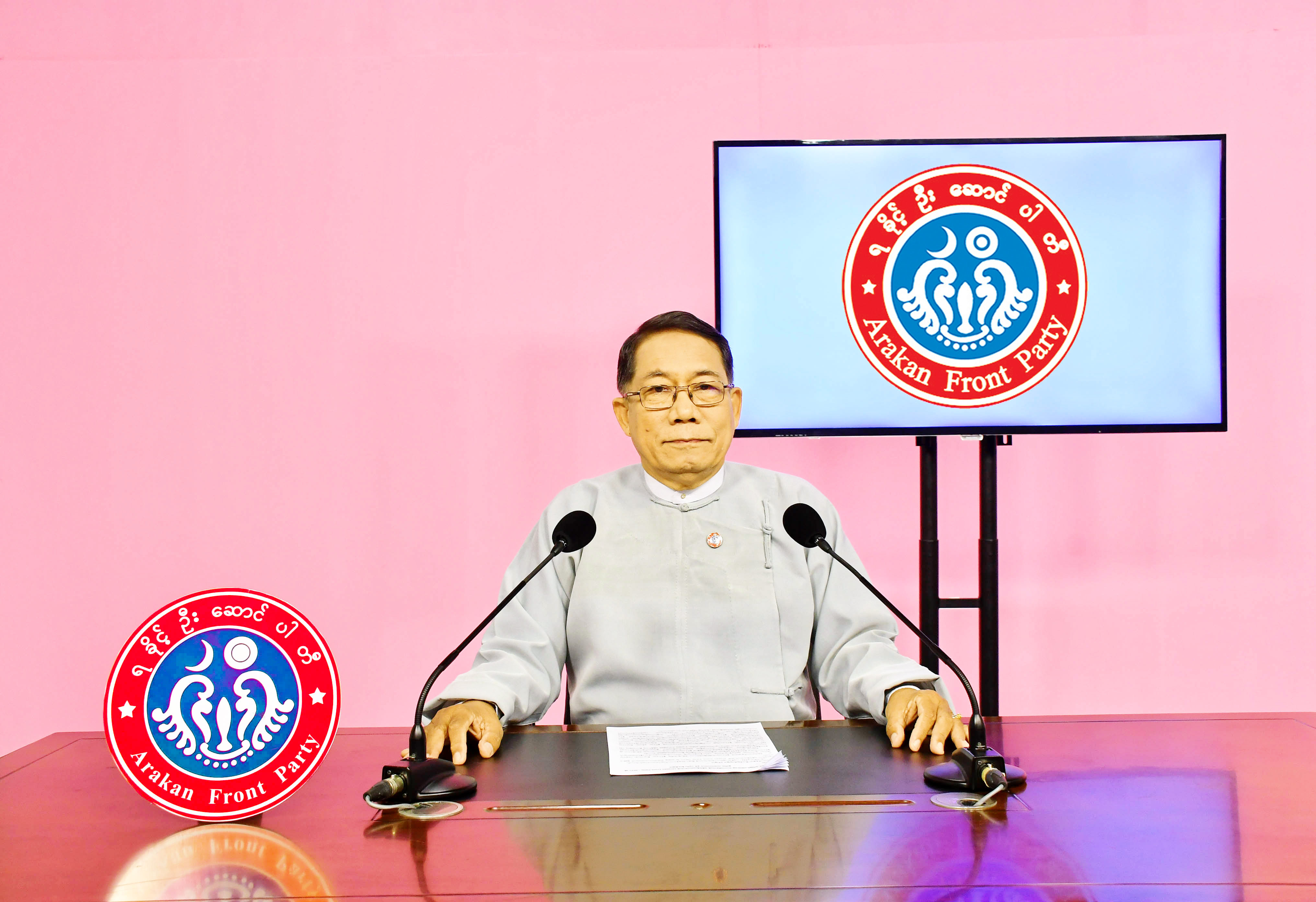
Dr. Aye Maung, Chairman of the Arakan Front Party.
To form a government, a party needs at least 50 percent (294 seats) of the 588 seats in the Union Parliament (Pyidaungsu Hluttaw). Prior to the final results of the election phase-3 held on January 25, 2026, the USDP had already secured 194 seats across two election phases.
When combined with the 166 seats reserved for military representatives (25 percent of parliament), the USDP and the military currently hold 360 seats, exceeding the 294 seats required to form a government.
While the transition during U Thein Sein’s era in 2010 involved various relaxations and the implementation of the Nationwide Ceasefire Agreement (NCA) without the current level of armed conflict, political veterans note the current situation is different.
U Ko Ko Gyi, Chairman of the People’s Party (PP), told CNI News that a landscape dominated by a single party weakens the system of checks and balances between the government and the parliament.
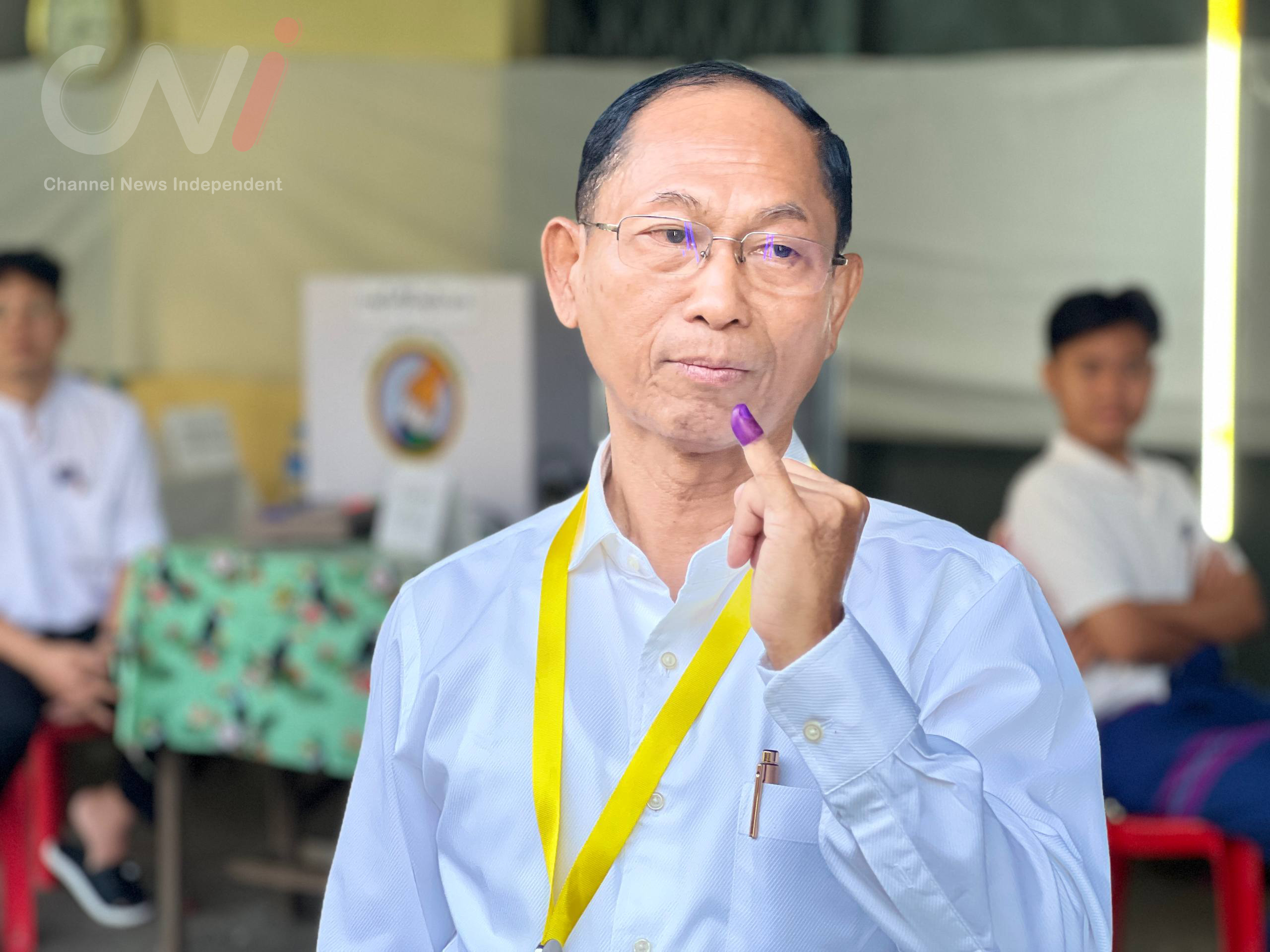
U Ko Ko Gyi, Chairman of the People's Party.
"What’s different from 2010 is that the intensity of the conflict is higher now, so the priorities will likely change. I believe peace must be the priority in this period. Personally, I want to see a parliament and a government that exert full effort in meeting, negotiating, and resolving issues. That is my heartfelt wish. However, we must wait and see what emerges based on the election results. It is a reality that a single-party-dominated landscape weakens the checks and balances between the executive and the legislature," U Ko Ko Gyi said.
Military and political analysts are currently observing how the USDP and the Myanmar military will structure the government following the election. However, based on the emerging election results, analysts suggest that the incoming government will likely remain under the dominance and leadership of the military itself.