
CNI News
31 December 2025
Military and political observers are analyzing how the current Acting President, Commander in Chief Senior General Min Aung Hlaing, might be nominated for the office of the President once the parliament (Hluttaw) is formed following the Myanmar elections.
In the multi-party democratic general elections held in 2010, 2015, and 2020, three individuals were nominated for the presidency: one by the Pyithu Hluttaw (Lower House), one by the Amyotha Hluttaw (Upper House), and one by the Military.
The parliament then decides among these three candidates. According to Colonel Khun Okkar, Chairman of the Pa-O National Liberation Organization (PNLO-NCA/S), historical election trends show that the nominee from the Pyithu Hluttaw (Lower House) usually becomes the President.
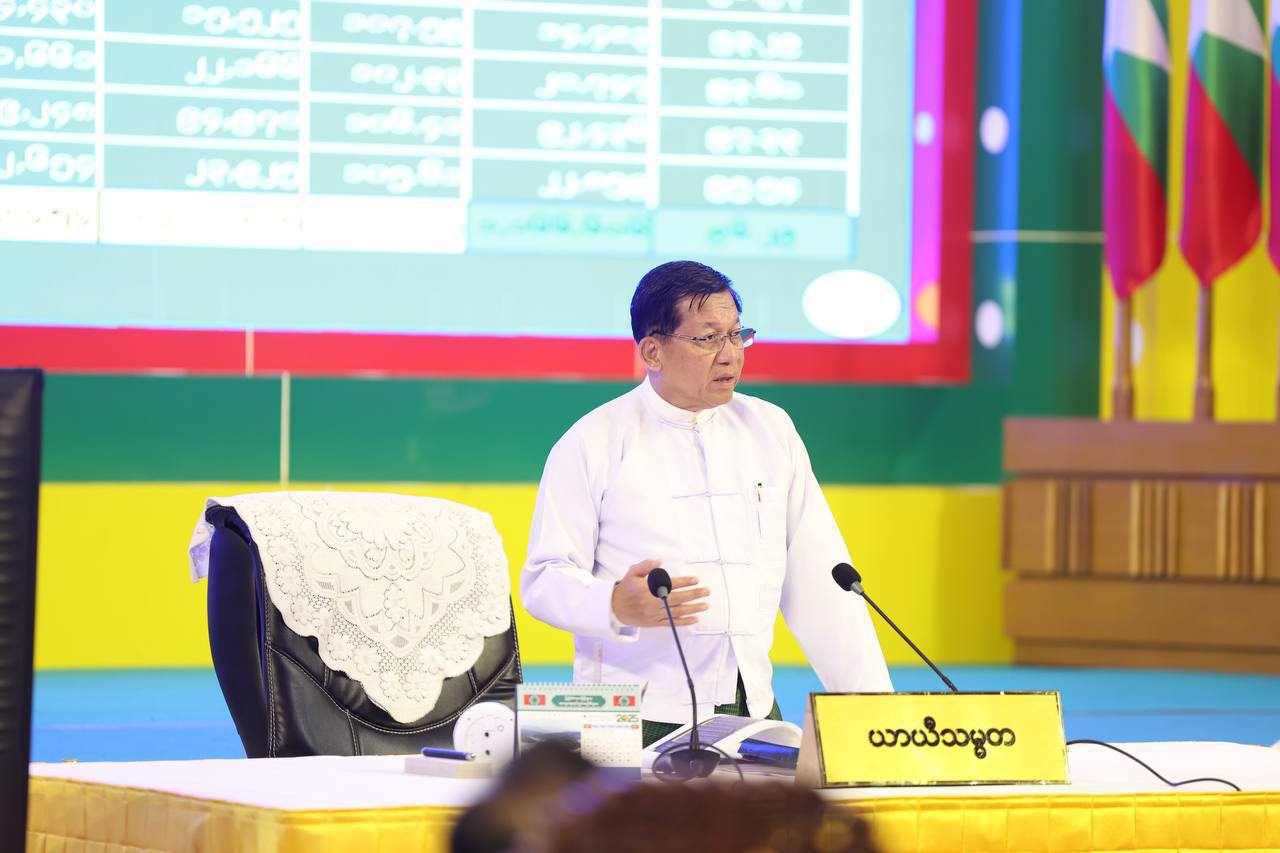
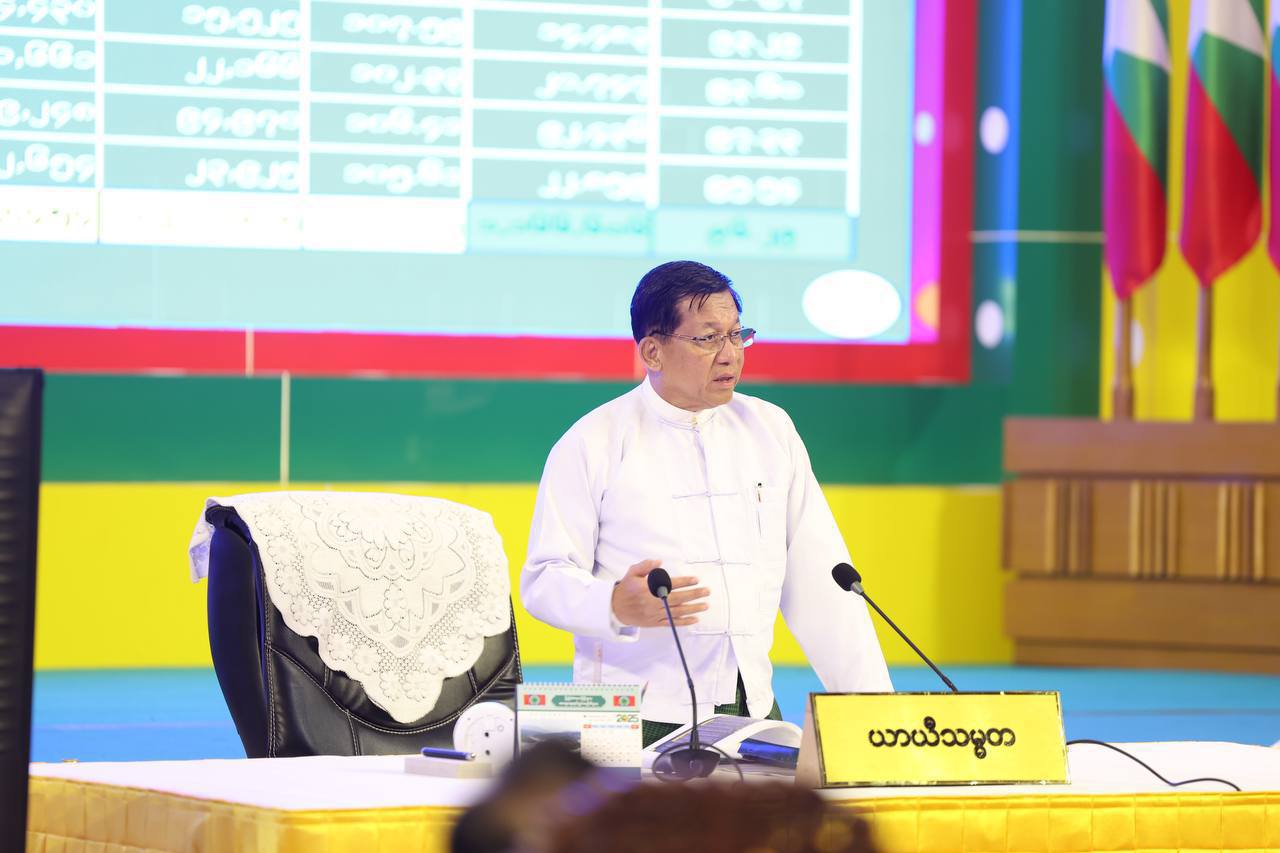
Senior General Min Aung Hlaing.
He suggested that a majority of representatives in the Pyithu Hluttaw would likely approve and nominate Senior General Min Aung Hlaing for the presidency.
Colonel Khun Okkar explained the typical breakdown as follows:
Pyithu Hluttaw Nominee: Usually becomes the President.
Amyotha Hluttaw Nominee: Usually becomes a Vice President (often representing ethnic nationalities, such as former VPs Sai Mauk Kham or Henry Van Thio).
Military Nominee: Usually becomes Vice President (1).
"While three departments nominate three names, the person nominated by the Pyithu Hluttaw is most likely to become the President. Traditionally, the Military's nominee becomes Vice President. We cannot say for certain if the Military will nominate Senior General Min Aung Hlaing, but even if they do, he would likely be a Vice President under that process. I believe the Pyithu Hluttaw will be the one to nominate him. With the 25% MPs from the military already there, combined with the majority party in the Pyithu Hluttaw, the person nominated by that majority has the highest potential to become President," said Colonel Khun Okkar.
When Senior General Min Aung Hlaing cast his vote in Nay Pyi Taw during Phase 1 of the election on December 28, media outlets asked whether he would take the presidency after the election.
He responded by stating that he is the Commander-in-Chief of the Defense Services and a civil servant, not a political party leader; therefore, he cannot simply say he "wants" to be President. He noted that the presidential selection process would only occur when the parliament is convened, and that would be the appropriate time to speak on the matter.
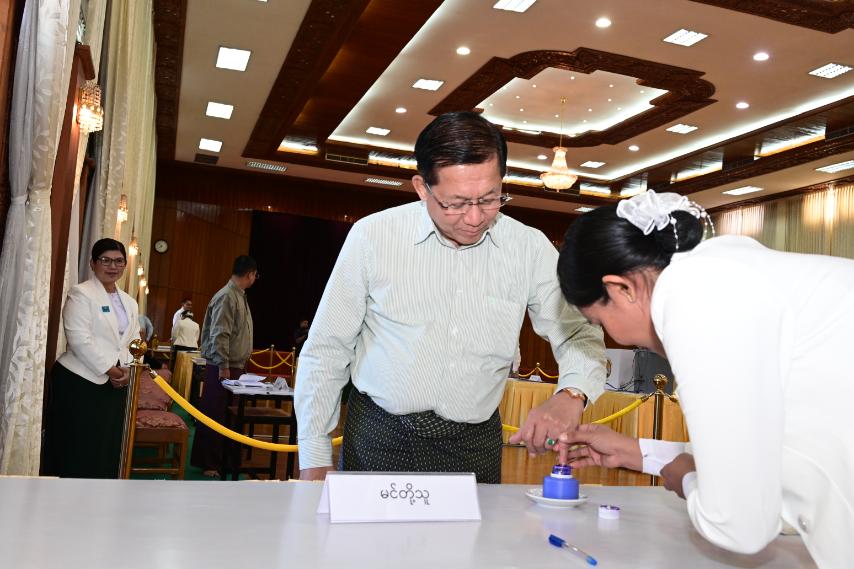
Senior General Min Aung Hlaing.
Dr. Hla Kyaw Zaw, an observer of China-Myanmar affairs, told CNI News that the presidency is a personal goal for the Senior General, and he is likely to pursue it by any means necessary.
"He might be staying quiet because he isn't certain yet, or he might just be waiting to announce it when the time comes. During the 2020 election, he made various claims about the people's choice before the coup. Even now, while he says it can only be discussed after the election, he will likely take the presidency if he wants to. His words aren't entirely reliable. Since becoming President is his personal ambition, he will definitely make it happen. We have to wait and see what methods he uses to make it look acceptable to the public," Dr. Hla Kyaw Zaw said.
Phase 1 of the multi-party general election was held on December 28. The Union Solidarity and Development Party (USDP) is reportedly winning in the majority of constituencies nationwide, bolstered by a strong lead in advance votes.
Although all phases of the election are not yet complete, political and military analysts point out that the policies of the new government are unlikely to change and will likely follow the current path laid out by the Commander-in-Chief.