
CNI News
30 December 2025
Colonel Khun Okkar, Chair of the Pa-O National Liberation Organization (PNLO-NCA/S), told CNI News that a round of political dialogue may emerge after the election as a means to resolve the ongoing armed conflicts and political crisis in Myanmar.
Myanmar held the first phase of the 2025 general election on December 28, 2025, and the second phase will be held on January 11, 2026, followed by the third phase on January 25, 2026.
Afterward, state power will be transferred to the political party that wins the election, and the military will return to performing only national defense duties, according to Senior General Min Aung Hlaing.
Colonel Khun Okkar explained to CNI News that depending on the laws enacted by the new parliament after the election and the policies implemented by the future government, a situation may develop in which political dialogue and coordinated negotiations once again take place.
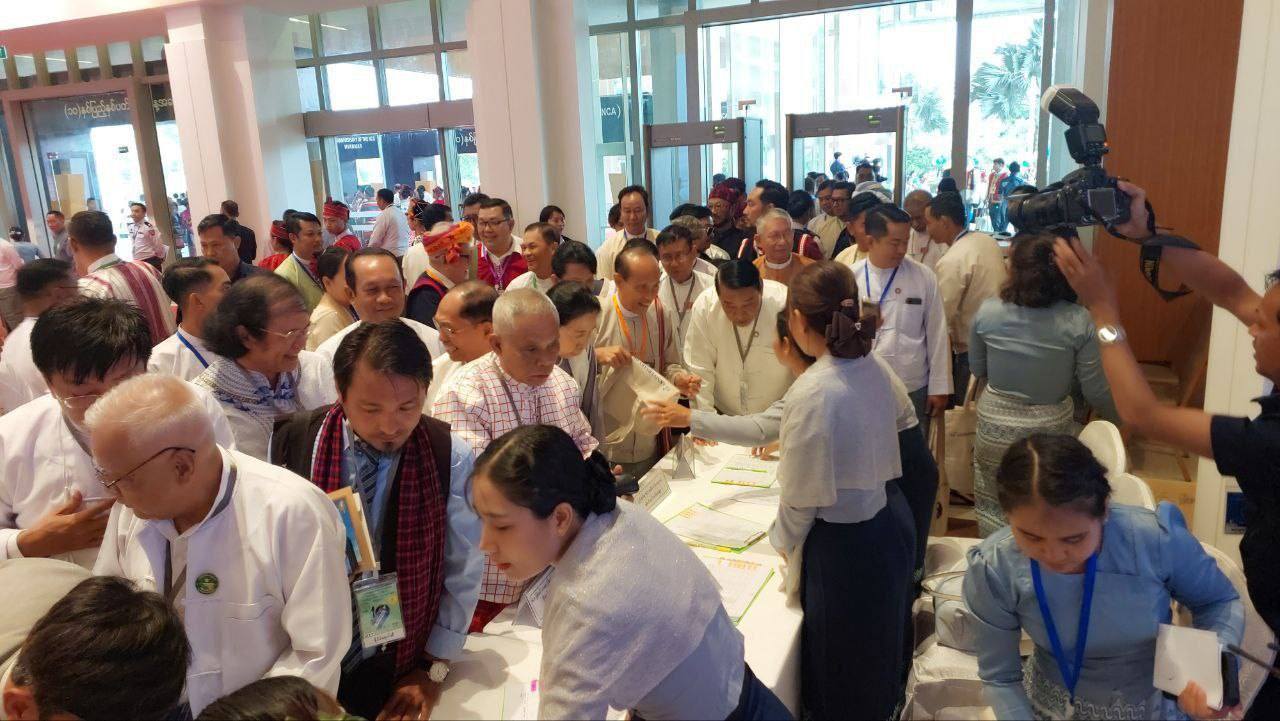
Political party representatives and leaders of armed groups seen together
He said: “Whatever happens after the election — whether it’s the circumstances created from Naypyidaw, or the developments being formed outside, or the position of the NUG — if we look at all of them, depending on the laws that will be enacted by the parliament formed after the election and the laws that will be implemented by the government, a culture of dialogue may emerge. During U Thein Sein’s era, we first began to see the culture of dialogue.We carried it forward into Daw Suu’s administration, and for over ten years we experienced a culture of dialogue.Within that culture of dialogue, peace architects began to emerge — those who develop the framework for building peace.When all dialogues were directed toward peace, peace architecture became visible.Therefore, I think that within a new political landscape, new policies and new approaches can be introduced, even though the people involved may be the same individuals.Once those policies are introduced, we need to watch carefully.If we can observe until around mid-2026, we will be able to say what direction things might take.At the moment, it’s still a little early.”
Political parties and analysts say that the new government formed after the election will need to be flexible, decisive and take strong action to pursue long-lasting peace.
They point out that in the political landscape emerging after the election, peace should be prioritized, because without peace, no matter how much development is attempted, it will not succeed.
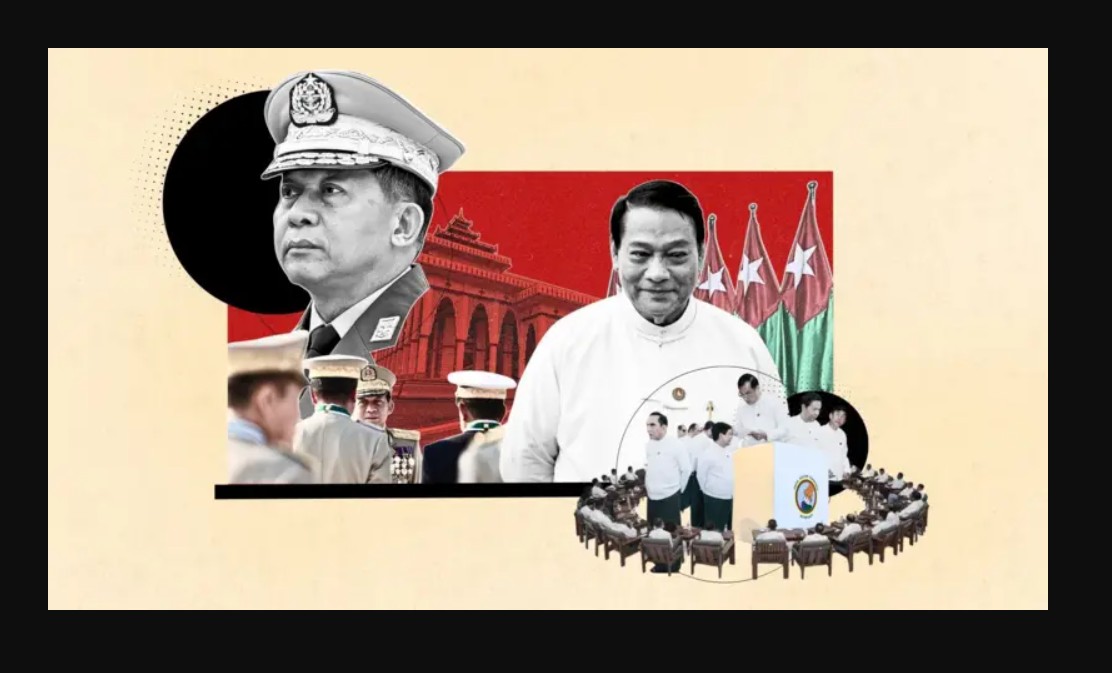
USDP Chair U Khin Yi and Senior General Min Aung Hlaing seen together
Daw Nan Khin Aye Oo, Chair of the Karen People’s Party (KPP), told CNI News: “The current administration intends to continue working toward peace.But it’s hard to say how the other side will respond.Considering the present situation, there is not much to be optimistic about.However, the responsibility of the incoming government is to strive for achieving peace — without peace, development will not work no matter what.We need to work toward peace.How many groups will participate depends on how much trust those groups have in the new government.I think it won’t happen quickly — it will have to be built step by step.”
Senior General Min Aung Hlaing, Chair of the National Defence and Security Council, has said that state power will be transferred to the political party that wins the election.
Military and political analysts say that in the upcoming election, the Union Solidarity and Development Party (USDP) is expected to win the most constituencies and form the government, and that the military may take the lead in forming the new administration.