
CNI News
19 December 2025
Following the election, discussions are underway among military and political analysts about how the conscription law should be systematically regulated in the parliament (Hluttaw) that will emerge afterward.
The People’s Military Service (Conscription) Law was enacted on February 10, 2024, with the aim of enabling citizens to fulfill national defense and security responsibilities. As of now, up to the 20th intake of conscription training has already been conducted.
Dr. Nyo Nyo Thinn, founder of the Yangon Watch Group, told CNI News that many authorities are abusing the conscription law, and that once a parliament is formed, the entire process should be systematically reviewed and reformed.
She said:“These are issues we have been talking about repeatedly. The conscription law is not being implemented as the Vice Commander-in-Chief claims, nor as Major General Zaw Min Tun describes at the grassroots level. There are many authorities who are abusing this law. That’s why people are told to file complaints if they are dissatisfied—but even when complaints are filed, the situation only stays quiet for two or three months. Then after another four months, money is collected from the public again. They pool money to ‘buy’ a substitute for military service. In some areas now, the price for a substitute has reached up to 8 million kyats per person. These facts cannot be denied. Are there actions taken against this? Yes, there are some. But do these problems disappear? No, they don’t.

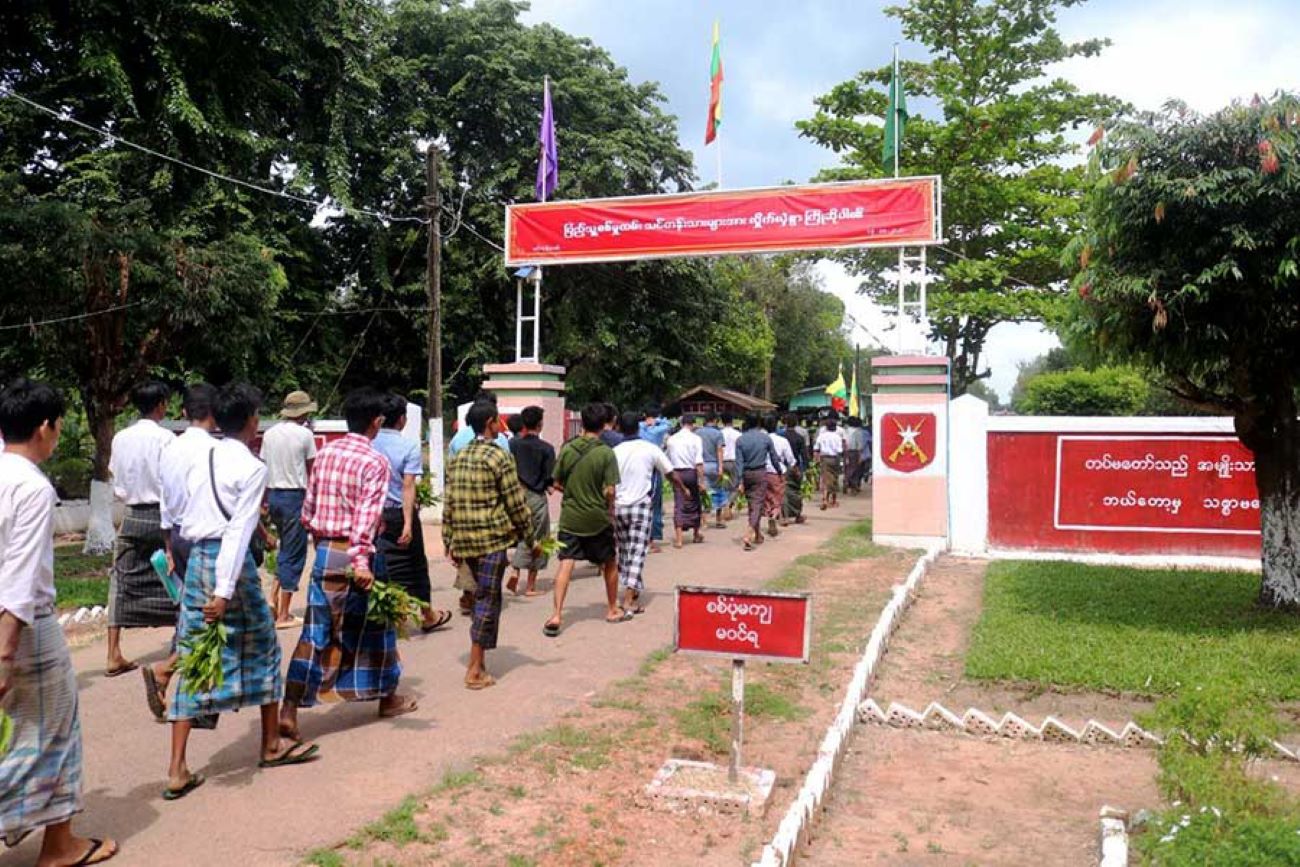
A view of Hluttaw
So if conscription can be postponed, it should be postponed. If it cannot be postponed and must continue, then the systems for collecting money and recruiting new conscripts must be fundamentally reformed. There must be greater accountability, responsibility, and transparency. This is a process that must be corrected—and once parliament is formed, this is something that must be done immediately.”
Independent candidate Daw Sanda Min told CNI News that the conscription law was originally enacted with the intention that every citizen should regard themselves as a soldier when the country is invaded from abroad. She said the law should be collectively discussed and reformed in parliament.
She said:“In the past, we didn’t see this kind of destructive criticism regarding the conscription law. But now, when people say things like ‘you enter the military today and you’ll be dead tomorrow,’ we cannot simply say that this law should be abolished. The situation doesn’t allow for that. However, many educated people will enter parliament. If all of them come together and negotiate collectively, we should be prepared to defend the country if it is invaded from abroad. We believe that the conscription law should be reformed through collective discussion, and every member of parliament believes this as well. If everyone discusses it together, I think a solution will emerge.”
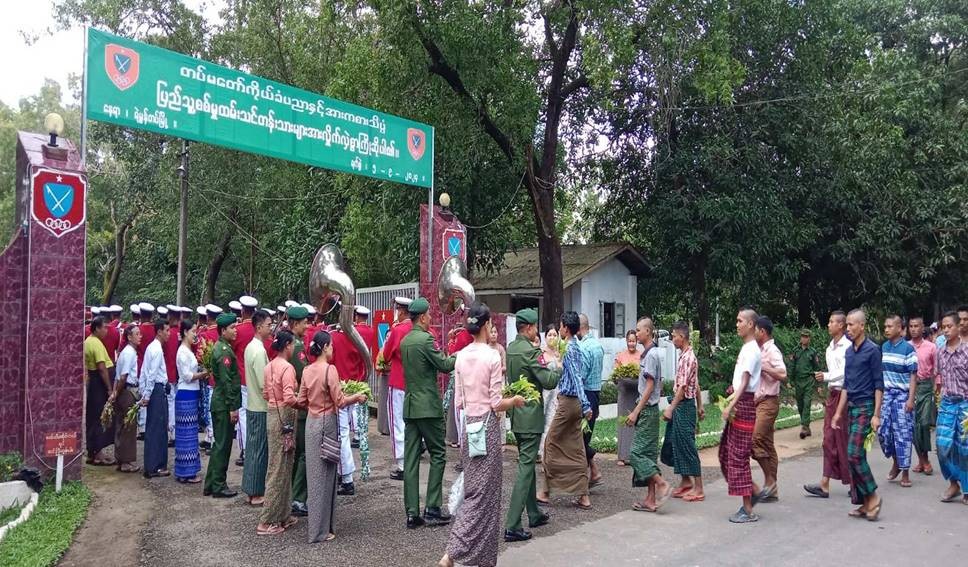
Welcoming new conscripts
Military and political analysts also point out that due to the conscription law, many young people in Myanmar are leaving the country, while others are being forcibly recruited. As a result, the number of young people of working age has declined.
Along with population decline, analysts note that Myanmar is facing labor shortages, slowing industrial production, and increased risks and hardships.
At present, intense fighting between the Myanmar military (Tatmadaw) and armed groups continues across the country. Because of this, both sides are accelerating the forcible recruitment of young people for military service.
As a result, political parties and political analysts are making efforts through various means to halt forced conscription by armed groups.