
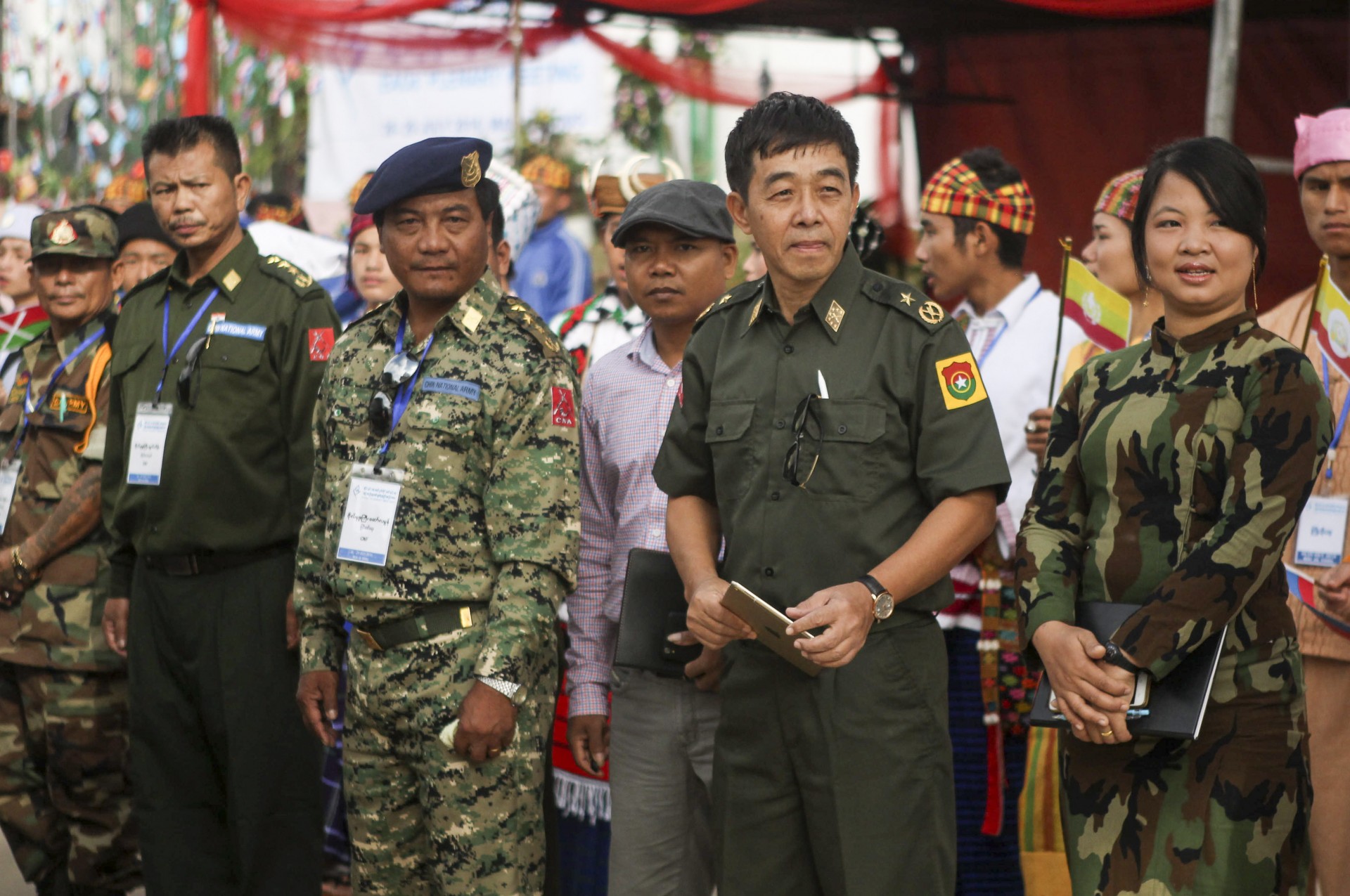
CNI Interview
5 December 2025
The Kachin Independence Army (KIA) is trying to gain control over the Sagaing Region. If KIA can control Sagaing Region, it will be able to connect Rakhine State, Chin State, Sagaing Region, and Kachin State—ultimately extending influence across the entire northwestern corridor of Myanmar.
Afterward, they may apply military pressure toward Mandalay and Magway Regions to block Tatmadaw offensives from reaching them.
With land access stretching from Kachin to Rakhine, KIA would also be able to use Rakhine’s coastline to expand trade and diplomatic relations with Western countries.
Meanwhile, the Myanmar military (Tatmadaw) is trying to open a political exit by holding elections. Because of this, people are increasingly interested in the prospects for Daw Aung San Suu Kyi’s release.
CNI interviewed U Khun Sai, who is involved in peace processes, regarding these matters.
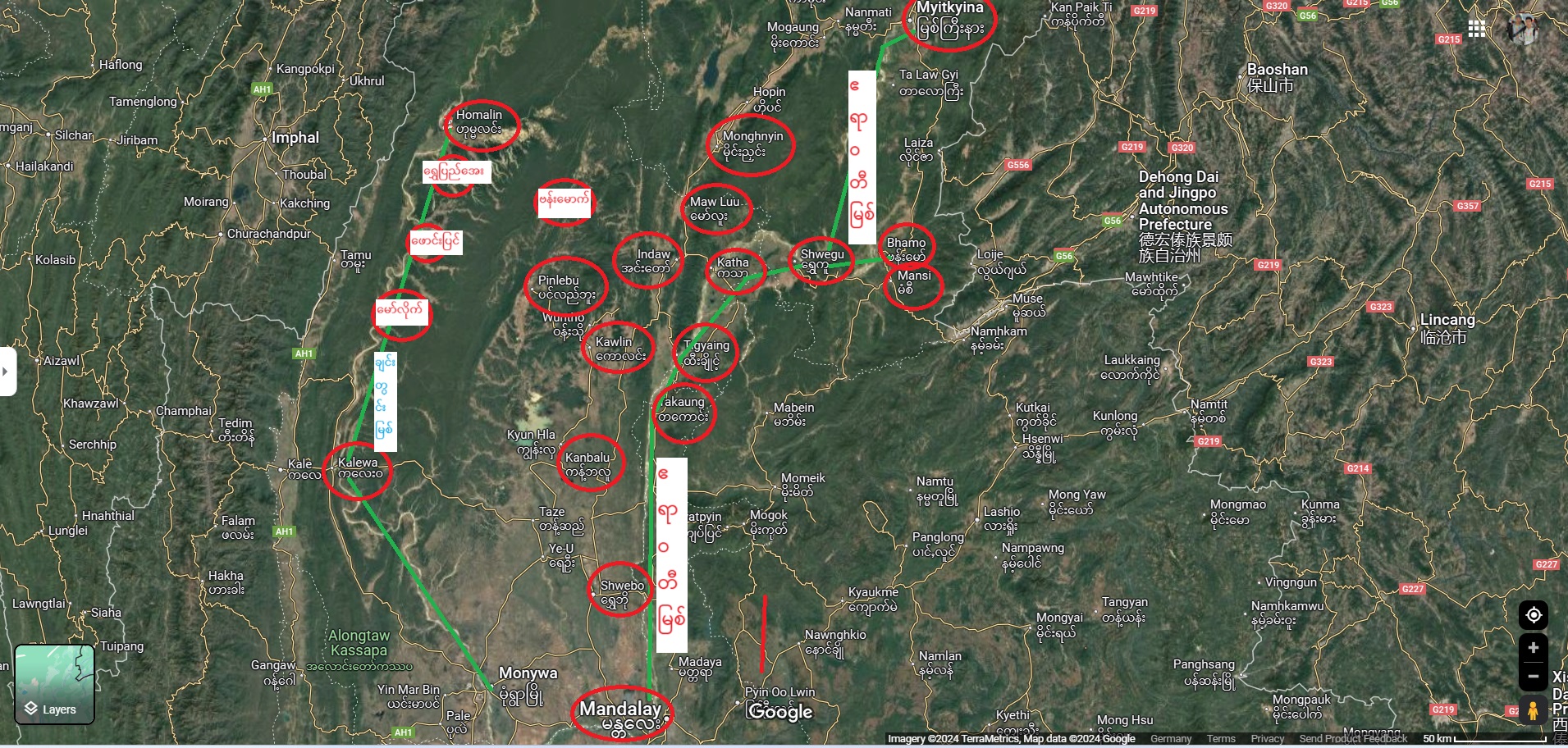
KIA–PDF operational areas in Sagaing Region
Q: The U.S. ended TPS for Myanmar citizens, saying Myanmar has stabilized. Does this mean a policy shift toward the Myanmar military?
A: Everyone is thinking about this. People don’t understand why the U.S. did this. The U.S. knows exactly what’s happening in Myanmar—they have an embassy in Yangon constantly observing everything. There’s no way they don’t know.
So we can only guess. I could be wrong, maybe very wrong.
One possibility is that U.S. policy toward Myanmar is fundamentally tied to China. They say: “Washington’s Burma policy is Washington’s China policy.” So this TPS decision likely has something to do with China.
Another point is that the U.S. has been observing the pro-resistance forces for more than five years now. Even until today, they haven’t shown a clear, unified capability.So although the U.S. doesn’t like Min Aung Hlaing, they may have to deal with him for now. And that may be influencing this decision.
I recall something: this year ASEAN countries were asked about their key security partners. Surprisingly, many said China.
But among ASEAN members that still consider the U.S. as a strategic partner, the top ones were Cambodia and Myanmar.
This is surprising because Cambodia relies heavily on China.Myanmar under Min Aung Hlaing was also listed.So, to counter China’s influence over these two countries, the only powerful force they can use is the US. So that might be part of the reason.
Q: “Wa” forces allegedly halted weapons support due to Chinese pressure. MNDAA and TNLA also lost support and so revolutionary forces seem to be aligning more with KIA. Why can’t the military suppress KIA?
A: KIA has a few unique advantages.
Geographically – Unlike the Wa, who rely entirely on China, KIA lies between China and India. That makes full Chinese pressure more complicated.
Dual-track approach – They fight the military, yet at the same time maintain channels for talks through intermediaries.
Since the 1990s, the Peace Talks Creation Group (PCG) in Kachin has acted as a mediator. So even while fighting, they’re always in dialogue.
Relationship with NUG – They cooperate with the resistance but KIO as an organization doesn’t fully merge with them. They keep diplomatic flexibility. Because they aren’t 100% anti-Naypyidaw, they can maneuver more easily.
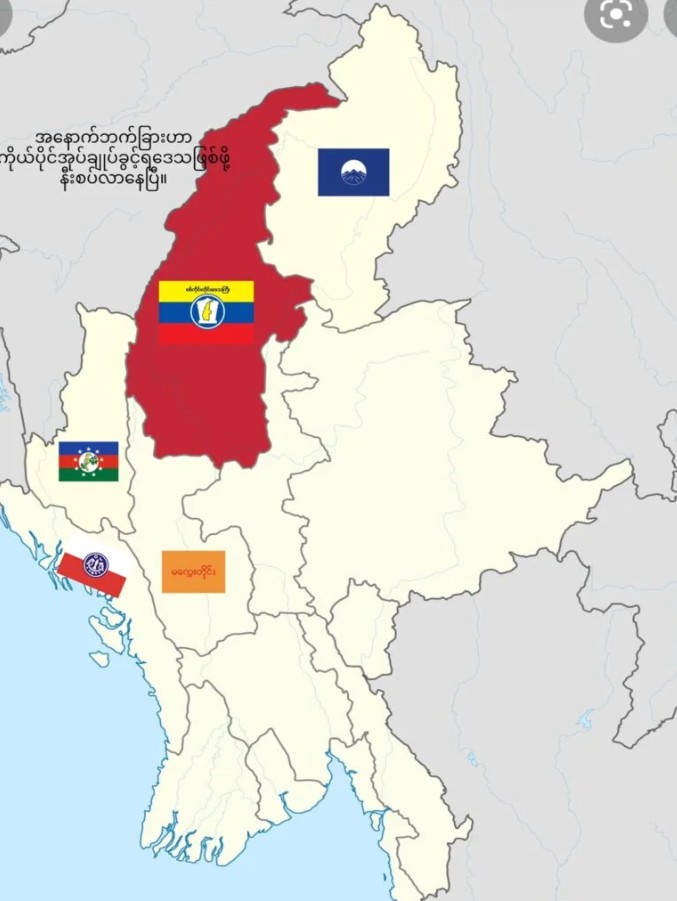
Geographic connections among Kachin, Rakhine, and Chin States and Sagaing Region
Q: If the military cannot sign a ceasefire with the KIA, how dangerous could the situation become?
A: I haven’t fully evaluated that yet, so I won’t make a statement.
Q: It appears KIA wants not only Kachin but also Sagaing Region. If KIA gains Sagaing Region, what could happen?
A: If KIA controls Sagaing Region, they will be closer to India.
Through Sagaing → Chin → Rakhine, they could improve international trade and foreign relations.
Kachin, like Shan, is a landlocked state, so access to the west would be advantageous.
I don’t think they will stop at Sagaing Region—they will likely continue seeking influence in surrounding territories to improve their strategic position.
Q: If KIA takes Sagaing, would they become even stronger than now?
A: Yes, they could. KIA is not only politically cautious but also experienced in diplomacy.
If they maintain relations with China while also engaging India, the U.S., and others, their position could strengthen further.
Instead of envying them, we should learn from their approach.
Q: In the past, under U Thein Sein, even without the NLD in government, progress was made—including Daw Aung San Suu Kyi’s release according to the agreement that the NLD would protest the by-election under the 2008 Constitution and the NCA talks.
According to the estimation of most people, the post-election government will include the current authorities only. If the NLD is no more, what kind of change might emerge in these armed conflicts?
A: The struggle nationwide isn’t yet 100% unified. Many people still have hopes pinned on Daw Suu, which is why they aren’t fully participating.
If Daw Suu were gone and NLD disappeared, the revolution could either grow stronger or psychologically weaken.
We’ll have to wait and see which outcome happens.
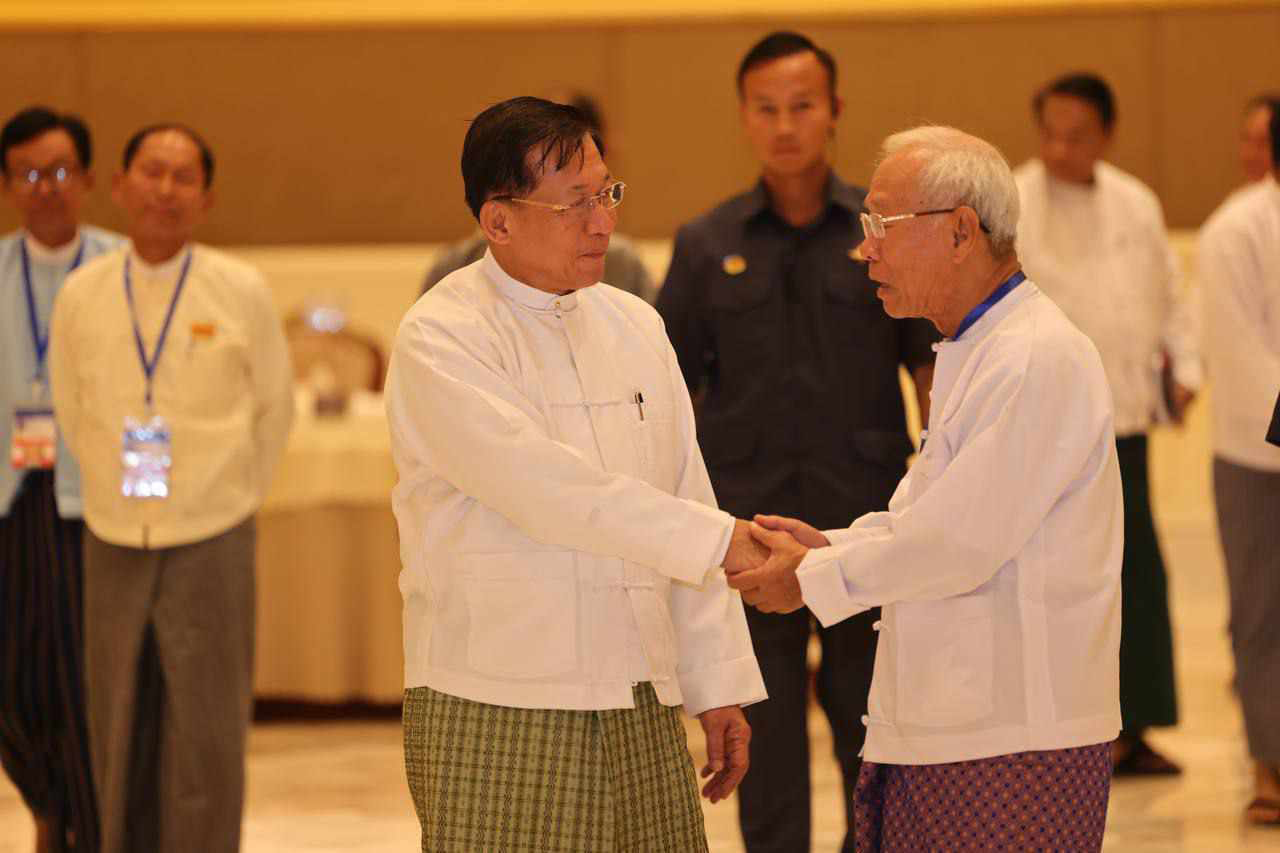
Senior General Min Aung Hlaing meeting with political parties
Q: After the election, what should the new government do regarding Daw Aung San Suu Kyi and NLD?
A: What should be done is already known—U Thein Sein demonstrated it before.
But most likely, the situation will resemble the Than Shwe era: Daw Suu will only be released after the election.
If released beforehand, the election might become chaotic or collapse entirely.
So currently, it’s unlikely they will release Daw Suu or NLD before the election.
And in any case, the military-backed party is almost guaranteed to win.
However, after the election results come out, there are various analyses about what might happen. One such analysis says the people of Myanmar might be fortunate—because a reform-minded government, similar to President Thein Sein’s administration, could come to power, one that has a strong desire to implement reforms.
If that happens, some say the country could begin to improve again.
The second possibility is that Senior General Min Aung Hlaing himself might not take the leadership role in the government, choosing instead to remain as Commander-in-Chief, while appointing someone he fully trusts to lead the government on his behalf. In that case, it could be somewhat good. But it's not better than the first possibility.
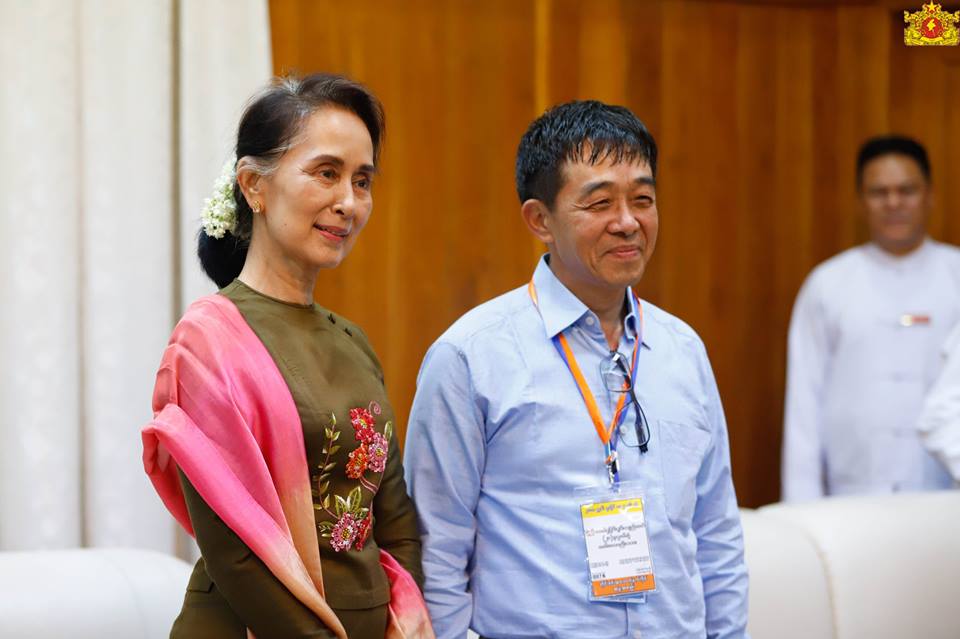
Daw Aung San Suu Kyi meeting KIA leader Lt-Gen Gun Maw
The third scenario is that Min Aung Hlaing himself takes the leading role in government. If that happens, he would be holding both the military and political power at the same time. In such a case, our revolutionary side would have to continue fighting. Most people believe that this would push our revolution into an even more self-reliant situation. Unlike before, support from Myanmar people living abroad decreased, and if international assistance or recognition would become even more difficult to obtain, that would put tremendous pressure on us. It seems Min Aung Hlaing and his circle have already calculated these factors.
So, in this matter, we pray for the first scenario to happen. And we pray that the second and third scenarios do not occur.
Q: If, as many analysts believe, the third scenario eventually happens, would it be easy for the country to become stable?
A:If so, the struggle and conflict would have to continue.
Q: Regarding the current issue of Zha pian (telegram fraud), have you studied anything about it?
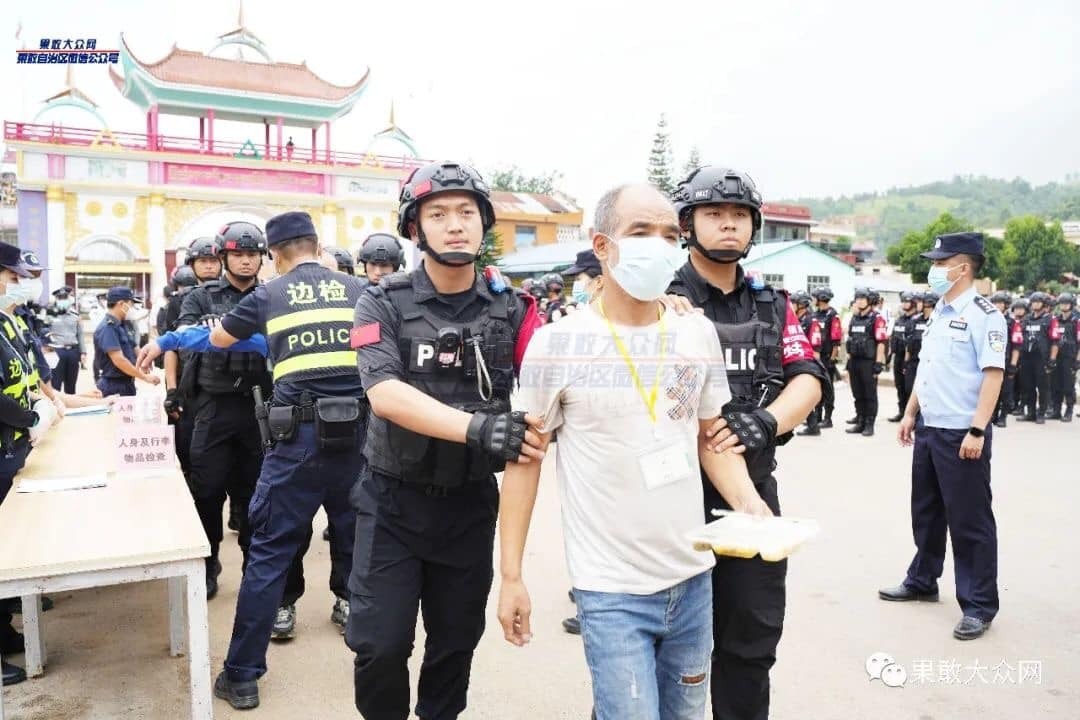
Some people involved in Zha pian
A: Not yet. But speaking simply, the issue of Zha pian also stems from our political failures—failures to reach agreements or to implement agreements. In 1947, we decided to administer the country under a federal system. But after General Aung San was assassinated, the federal idea existed only in name, and the country was practically ruled under a centralized system.
Because of that, the country became unstable and civil war began. With that came many consequences.
If we look generally, the first major issue was opium—groups building up their strength through opium trading. Later, not only opium but heroin production became a source of power. After that came methamphetamine, and now Zha pian is the latest development.
Therefore, unless we are able to implement the political agreements we originally made, these consequences will continue. Opium is harmful. Heroin is worse than opium.
Methamphetamine is worse than heroin. And Zha pian is even worse. If we leave things as they are, something even more dangerous than Zha pian could emerge in the future.
That is why, before it gets to that point, we must quickly work together to build the federal union we agreed upon in 1947.