
CNI News
June 8, 2026
Following the 2021 political transition in Myanmar, political observers are raising questions about how members of parliament (MPs) will take action within the legislature for the people displaced by ongoing military conflicts.
Political analysts point out that internally displaced persons (IDPs) from various regions currently need multi-sectoral support and assistance, including housing, food, healthcare, and education.
Sai Kaung Thet San, a Pyithu Hluttaw (House of Representatives) MP from the Shan and Nationalities Democratic Party (SNDP), told CNI News that they will cooperate with relevant ministries to provide aid for the sectors needed by the displaced population.
Furthermore, he mentioned that he is personally collaborating to ensure that school-aged displaced children can pursue their education.
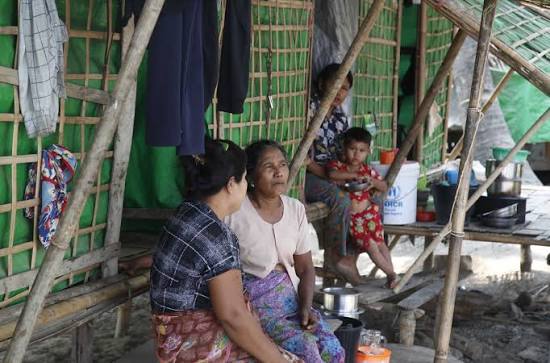
Displaced persons seen
Pyithu Hluttaw MP Sai Kaung Thet San stated: "For us, there are three main points. First, regarding the livelihood and housing of the war-displaced people, we collaborate with the Ministry of Social Welfare to ensure they receive appropriate support. Second, we coordinate with the Ministry of Education so that school-aged children who fled the conflict can attend school. When supporting displaced civilians, we as MPs must cooperate with the relevant ministries. This, of course, relates to one's local area. Addressing the life hardships of the people in one's constituency is the responsibility of the MPs elected by them. Personally, if displaced students face difficulties in enrolling at school, I connect with the Township Education Officer to personally assist with necessary Transfer Certificates (TCs) and other requirements. Similarly, for healthcare, we collaborate with the Department of Public Health to provide free-of-charge (FOC) medical care system. This ultimately depends on the capability and responsibility of the respective local MP—on how well they can care for and protect the displaced people. If you can deliver, the hardships of our displaced people will be eased to that extent. If not, they will continue to face difficulties. This depends heavily on the individual capability of each MP."
According to local residents, children displaced by armed conflicts in Myanmar face severe disruptions to their education. It is reported that school enrollment for the children of newly arriving displaced persons has been temporarily suspended.
Political analyst U Htet Aung Kyaw told CNI News that the government should look beyond just providing food aid to displaced people fleeing armed conflict amidst political instability, and should also consider their long-term livelihood sustainability.
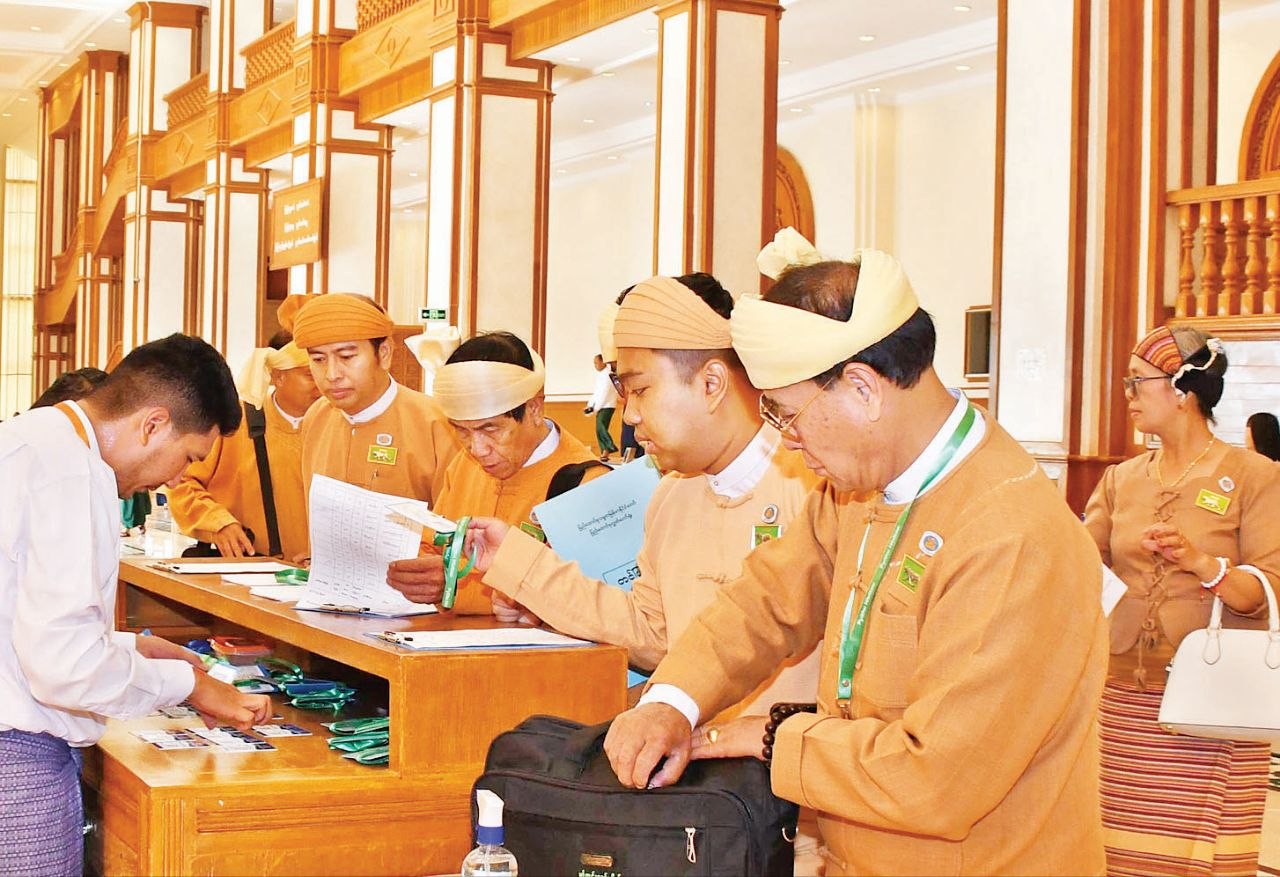
Members of Parliament seen
U Htet Aung Kyaw stated: "Among the war-displaced, those who can afford it move to cities like Yangon, Mandalay, or Naypyidaw. Others have moved to major regional towns, for instance, many from Chin State have gone to live in Hakha. In those places, they can buy houses and settle down. However, those who cannot afford it face extreme hardships. We must prioritize thinking about the displaced people living in camps. Just keeping these people in camps and handing out food supplies is not a sustainable solution. We need to consider how to fully meet human needs. Even if they cannot return home anytime soon, departments must integrate to address their food, housing, healthcare, and children's education. For instance, the Ministry of Social Welfare, Relief and Resettlement along with all other departments need to coordinate. The education department must step in for schooling, and the healthcare sector must integrate for medical needs to determine what support can be offered. Another thing is that keeping them in camps like this is not enough; a government should consider how to provide them with job opportunities and livelihoods in their new locations. However, in Myanmar, everything that needs to be done is urgent. Those running the government will have to analyze and decide what the main priority is, and execute it by setting first and second priorities."
Following the political shifts after February 1, 2021, the armed conflict in Myanmar has grown larger and more widespread, with a massive proliferation of armed organizations.
Consequently, amidst the political and military conflicts, civilians are forced to abandon their homes and properties to flee to other regions, while also facing life-threatening dangers.
Currently, among the tasks to be carried out within 100 days by the government led by President U Min Aung Hlaing, the dialogue sector for peace is included.